
Cravings are one of the most common and intrusive symptoms of substance use disorder (SUD). During periods of abstinence, people experience mild to severe cravings. Treatment programs educate clients and prepare them for lasting sobriety by ensuring they know how to cope with triggers and cravings without relapsing. Clinicians at Bright Mission Recovery understand the neuroscience behind cravings and use evidence-based therapies to help clients manage symptoms of SUD.
The Neuroscience Behind Cravings
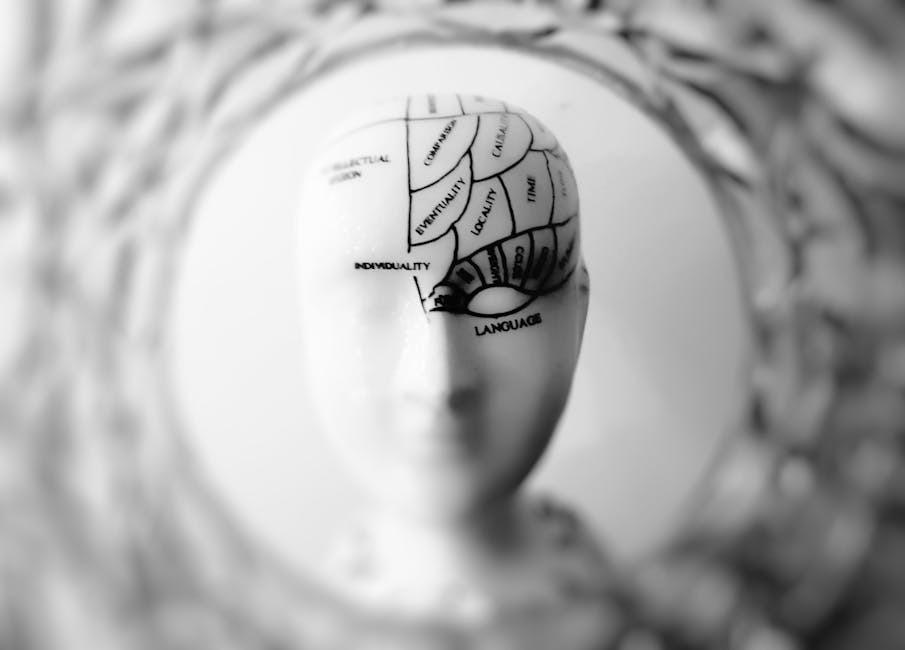
Chronic substance abuse affects brain function and changes how a person responds to certain stimuli. Cravings are caused by the neurobiological effects of drug or alcohol abuse. According to Current Opinion in Neurobiology, “The shift from normal healthy desire to drug craving with increased levels of drug use is also associated with changes in limbic, striatal and cortical brain systems.” These areas of the brain affect many systems and functions. Treatment for SUD targets the symptoms and helps clients achieve emotional and physical stability, reducing the impact of cravings.
Does Substance Abuse Cause Permanent Changes to the Brain?
Chronic substance abuse has the potential to cause long-term or permanent changes to the brain and other organs. Studies have shown that “[w]hen used over the long-term, all substances of abuse cause dysfunction in the brain’s dopamine reward system” and other processes. The reward system in the brain causes people to experience cravings and intrusive thoughts.
Some of the potential cognitive issues caused by chronic substance abuse include:
- Impaired memory
- Difficulty maintaining focus and concentration
- Impaired decision-making
- Reduced ability to process new information quickly
- Executive dysfunction
- Emotional dysregulation
- Difficulty recognizing or understanding social cues
- Neurological damage
- Higher risk of dementia
Brain plasticity allows people to heal from long-term damage caused by addiction. The brain can adapt to changes caused by chronic substance abuse, and over time, cravings may become less severe and infrequent.
How Does the Neuroscience Behind Cravings Impact Treatment Plans?
The dedicated care team at Bright Mission Recovery uses evidence-based treatments to help clients heal from the effects of substance abuse. Advances in neuroscience have provided clinicians with a variety of valuable tools for treating the symptoms and side effects of SUD.
The neuroscience of addiction impacts rehabilitation by giving experts greater context about the effects of substance abuse in the brain. Clinicians use that information to do the following:
- Provide personalized medication-assisted treatment (MAT)
- Understand dopamine regulation
- Direct cognitive-behavioral therapy (CBT) and other forms of psychotherapy
- Develop strategies to strengthen the prefrontal cortex
- Provide neuroplasticity-focused treatments
- Develop long-term treatment plans
- Gradually reintroduce natural rewards into the treatment process
Healthcare professionals rely on research and advances in treatment to provide clients with the best possible care. The staff at Bright Mission Recovery stays informed on the latest innovations in addiction and mental health treatment, adjusting care plans as necessary to introduce new and effective forms of treatment.
Biofeedback and Other Innovative Treatments
Many innovative treatment techniques have been developed to help clients achieve better self-regulation and self-awareness. According to Applied Psychophysiology and Biofeedback, “[C]raving can be conceptualized as a biobehavioral phenomenon because it involves integrated psychological and physiological processes, some of which occur in conscious awareness, while others occur outside of conscious awareness.” Bright Mission Recovery offers clients access to various evidence-based modalities, including referrals to outside services as needed, to ensure the best treatment outcome. Biofeedback is one of many innovative techniques used to address cravings and other symptoms of SUD.
How Does Bright Mission Recovery Use the Neuroscience Behind Cravings to Help Clients Heal?
Staff members at Bright Mission Recovery use continuing education and other resources to remain up to date on current innovations in the neuroscience of addiction and mental health. Clinicians use the information to better understand client needs and develop personalized treatment plans. Clients benefit from the expertise and knowledge through access to more comprehensive programs and therapeutic services.
Treatment programs prepare clients for ongoing recovery by utilizing multiple approaches to care. Clients learn to manage cravings and other symptoms of SUD effectively during rehabilitation. Biofeedback and psychotherapy are a few of the options for managing stress, cravings, intrusive thoughts, and physiological responses.
Relapse Prevention and Other Strategies for Managing Cravings
Relapse prevention education is an essential part of the treatment process for individuals with SUD. Bright Mission Recovery prepares clients for aftercare by ensuring they have detailed strategies and coping skills for managing triggers and cravings.
Cravings are a reality of addiction recovery. Practicing coping skills and preparing to manage them in advance reduces the risk of relapse. Neurofeedback is one of the tools the clinical team uses to help clients navigate treatment and ongoing sobriety. Every client has different needs and expectations. The care team collaborates closely with clients and their loved ones to create comprehensive treatment and aftercare plans incorporating relapse prevention and crisis management strategies.
The neuroscience behind cravings provides essential context for clients and their loved ones. Understanding the cause and effect of cognitive and neurobiological changes due to substance abuse allows clients to anticipate various triggers and challenges they may face in continuing care. Psychoeducation, family therapy, and other support services prepare clients and their loved ones for the reality of healing from the effects of addiction. The dedicated experts at Bright Mission Recovery utilize a wide range of proven therapeutic modalities to treat SUD and co-occurring conditions. Clinicians remain up-to-date on innovations in neuroscience to serve our clients better. To learn more about our programs and services, call our office today at (747) 444-3284.