

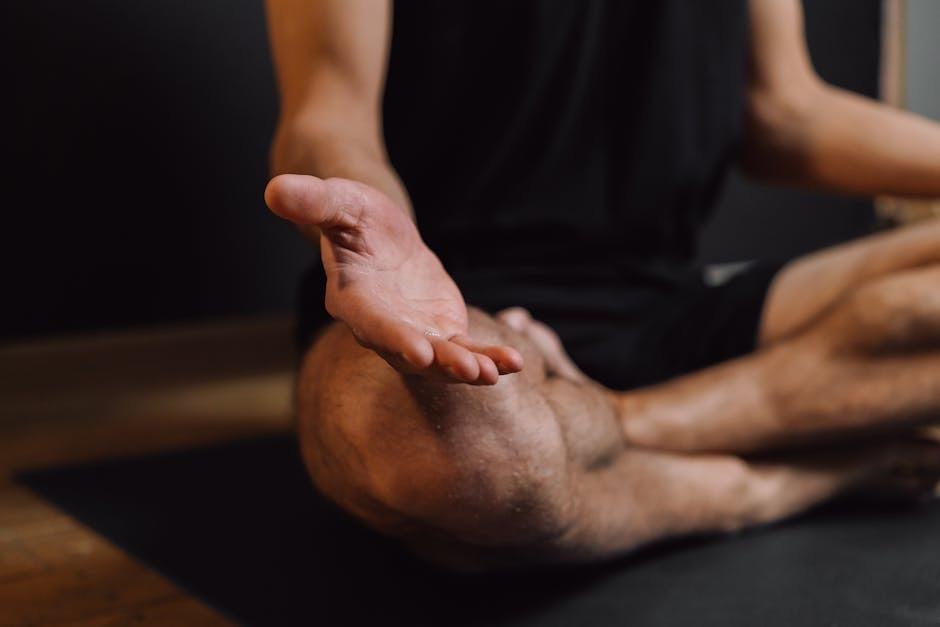
Amidst the busyness of life, finding time to be still can feel like an immense challenge. Yet, making small efforts to embrace stillness in daily life is essential to healing and overall well-being. For example, practicing stillness, specifically through meditation, can help reduce anxiety and aid in stress management, which can be especially valuable for those working to overcome substance use disorder (SUD) and addiction. Meanwhile, there are many helpful tips that individuals can use as they focus on incorporating meditation and stillness into their daily lives.
At Bright Mission Recovery, we encourage our clients to incorporate meditation into their daily lives because it is both person-centered and a whole-person approach to healing. We are committed to providing evidence-based and holistic healing, ensuring each client has the tools to achieve and sustain lasting change. Whether an individual is working to recover from an addiction or a dual diagnosis, we tailor treatment plans to fit the individualized needs of each client we serve. Meditation often complements these treatment plans well, providing each individual with the stillness and other skills they need to thrive in their continued self-discovery.
What Is Meditation?
When people consider meditation, an image of an individual in a stereotypical meditation pose – sitting straight up, closing their eyes, and remaining still – may likely be brought to mind. Although some people may meditate in this position, meditation is much less about the position one holds; instead, it is about the mindset they are working to achieve.
As the National Center for Complementary and Integrative Health (NCCIH) explains, “The term ‘meditation’ refers to a variety of practices that focus on mind and body integration and are used to calm the mind and enhance overall well-being. Some types of meditation involve maintaining mental focus on a particular sensation, such as breathing, a sound, a visual image, or a mantra, which is a repeated word or phrase.” One of the most common forms of meditation is known as mindfulness meditation, which encourages an individual to place deliberate focus on the present moment and all that unravels with it.
Incorporating Meditation Into Daily Life: Why Do People Meditate?
There are many reasons why people begin incorporating meditation into their lives. Some individuals may develop a meditation practice to further their spiritual journey, specifically to strengthen their relationship with a “Higher Power” of their choosing. Other people meditate to connect with their “inner self,” achieve stress relief or achieve greater daily mindfulness and gratitude.
In most cases, individuals consider incorporating meditation into their lives to access the potential benefits of consistent practice. As Ayu highlighted, “During the process of meditation, accumulated stresses are removed, energy is increased, and health is positively affected overall.” More specifically, some of the health benefits that can come from meditation include, but are not limited to:
- Decreased anxiety and depression
- Improved cognitive functions, such as concentration and memory
- Reductions in both physical and psychological pain
- Reduced blood pressure and heart rate
- Increased melatonin (to aid in the regulation of sleeping patterns)
- Decreased metabolism
For those working to recover from SUD, a dual diagnosis, or a trauma-related condition, meditation can also be incredibly beneficial for the healing journey. Not only can regular meditation practice improve inner harmony and self-compassion, but it can also offer a healthy coping strategy for navigating triggers, cravings, withdrawals, and other common challenges. Additionally, it can also strengthen resilience, thus acting as a relapse prevention strategy throughout long-term sobriety.
Roadblocks to Meditation
Despite the benefits that meditation can pose to the health and well-being of each person, certain roadblocks may stand in the way of an individual’s ability to implement a meditation practice into their life. For example, according to Mindfulness, some of the reported barriers to regular mindfulness practice include:
- The potential for unpleasant physical and emotional states to arise, Including restlessness, doubt, and discomfort
- Low self-efficacy beliefs, Including the belief that an individual is incapable of committing to a meditation practice
- Negative or unrealistic outcome expectations: Including the expectation to experience benefits from a single meditation session
- Perceived inconveniences: Including a lack of time or feeling guilty for taking the time to meditate
- Doubting the value of meditation, Including dismissing the potential benefits it can bring to an individual’s life
Although these roadblocks are not to be dismissed, it is vital to understand that practices that improve well-being are both challenging and worth making time for. Committing to a meditation practice will not dissolve these challenges but will likely inform new challenges. Yet, the stillness brought about through meditation can ensure that with each new challenge comes new and healthy solutions.
Incorporating Meditation Into Discovery at Bright Mission Recovery
Whether or not an individual has tried meditation in the past, let this be an opportunity to start anew. At Bright Mission Recovery, we assist our clients in establishing regular mindfulness strategies and/or meditation practices in their daily lives in a way that works for them. To reap the benefits of meditation for self-discovery, however, an individual must first be willing to recognize that they are worthy of a journey of discovery and reach out for professional support. Fortunately, hope, transformation, and a brighter future await you at our facility.
Meditation involves many different practices, yet they all work to focus the mind on a specific stimulus. Most often, this is the breath. Despite the plethora of physical and psychological benefits that meditation can bring to an individual’s life, certain roadblocks may hinder their ability to implement a regular meditation practice. Viewing these roadblocks as challenges to be overcome can help establish a growth mindset throughout the healing journey. At Bright Mission Recovery, we recognize how invaluable a consistent meditation practice can be to well-being and discovery. We are here to guide and support our clients in achieving a life free from substance abuse, with stillness being a part of this process. Call (747) 444-3284 to learn more today.