

TL;DR
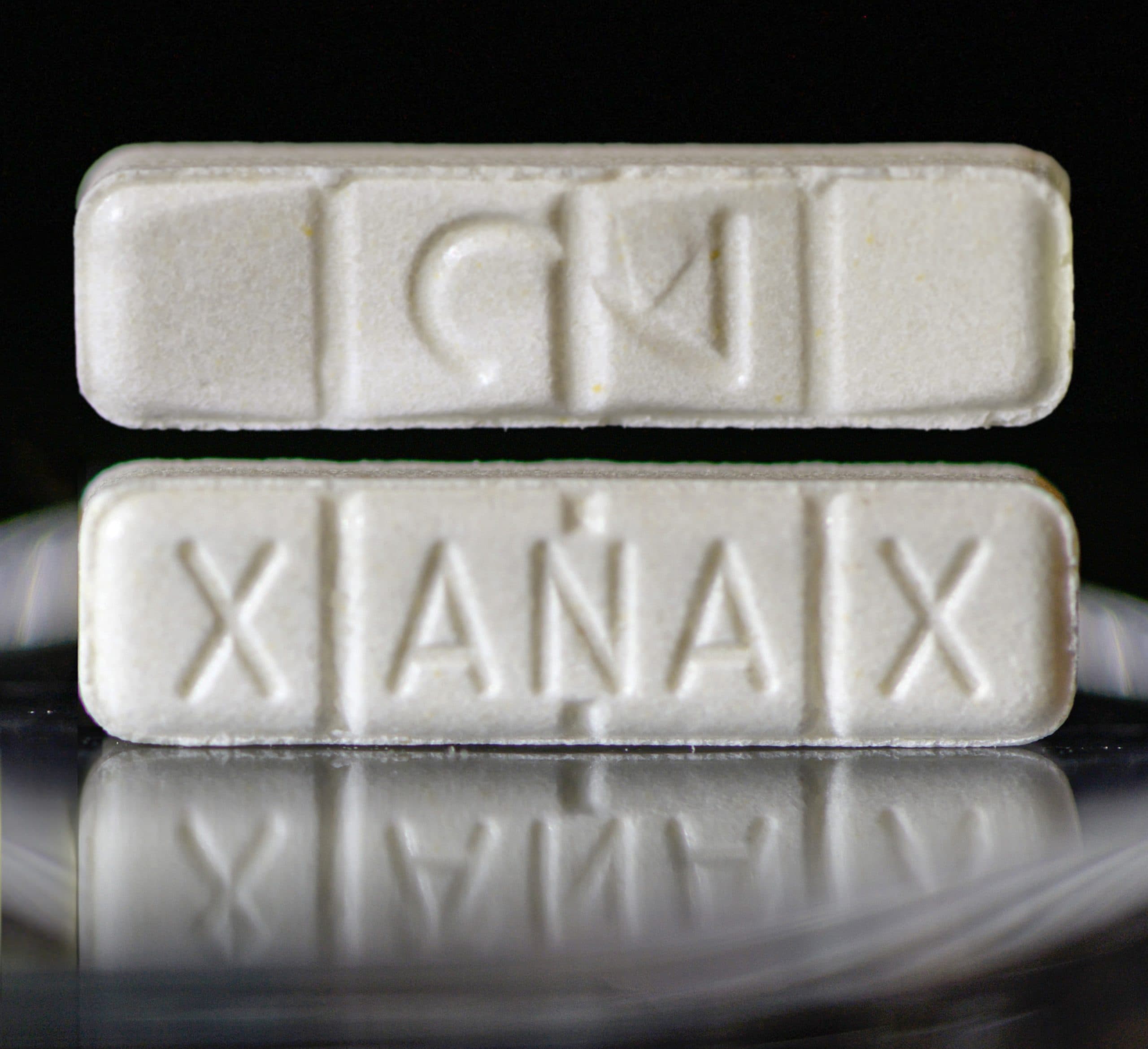
Knowing how to taper off benzodiazepines safely can mean the difference between a manageable transition and a dangerous medical emergency. Benzos create a powerful physical dependence — and quitting cold turkey is never the answer. Instead, a gradual, medically supervised taper that slowly reduces your dose over weeks or months is the gold standard approach. Whether you’re taking Xanax, Valium, or Ativan, the path forward starts with understanding your options and reaching out for the right support.
Introduction
There’s a particular kind of quiet desperation that comes with long-term benzodiazepine use — a sense that the very medication prescribed to help you has quietly become something you can’t live without. If that feels familiar, you’re not alone, and more importantly, there’s a clear, medically supported path out. Understanding how to taper off benzodiazepines is the first step toward reclaiming your health on your own terms.

What are Benzodiazepines?
Benzodiazepines — commonly called benzos — are a class of central nervous system (CNS) depressants prescribed primarily for anxiety, panic disorder, insomnia, and certain seizure disorders. They work by enhancing the effect of gamma-aminobutyric acid (GABA), a neurotransmitter that inhibits brain activity, producing a calming and sedative effect. While they can be effective when used short-term under strict medical supervision, prolonged use leads to physical dependence — making the question of how to taper off benzodiazepines not just relevant, but critical.
According to the Drug Enforcement Administration (DEA), benzodiazepines are Schedule IV controlled substances, reflecting both their legitimate medical use and their significant potential for abuse, dependence, and addiction.
Different Forms of Benzodiazepines
Not all benzos are created equal — and that distinction matters enormously when learning how to taper off benzodiazepines. Each formulation differs in its onset, duration of action, and potency, all of which influence the tapering strategy your medical team will recommend.
| Drug Name | Brand Name | Half-Life | Common Use |
|---|---|---|---|
| Diazepam | Valium | 20–100 hrs (long) | Anxiety, seizures, muscle spasms |
| Alprazolam | Xanax | 6–12 hrs (short) | Anxiety, panic disorder |
| Lorazepam | Ativan | 10–20 hrs (intermediate) | Anxiety, insomnia |
| Clonazepam | Klonopin | 18–50 hrs (long) | Panic disorder, seizures |
| Temazepam | Restoril | 8–22 hrs (intermediate) | Insomnia |
When switching from a short-acting benzo like Xanax to a longer-acting equivalent such as diazepam, the process becomes considerably more manageable. This diazepam substitution strategy is a cornerstone of the Ashton Method taper — one of the most clinically respected frameworks for how to taper off benzodiazepines.
Benzodiazepine Misuse
Here’s the uncomfortable truth: benzodiazepine misuse doesn’t always look like recreational drug abuse. In fact, a significant portion of people who struggle to stop taking benzos began with a legitimate prescription. Over time, tolerance builds — meaning you need higher doses to achieve the same effect — and eventually, the body simply stops functioning comfortably without the drug.
Research published in PMC (PubMed Central) highlights that benzodiazepine tolerance reversal is possible, but only through careful, structured tapering — not abrupt cessation. Furthermore, misuse patterns often involve taking higher doses than prescribed, combining benzos with alcohol or opioids, or using someone else’s prescription entirely. Each of these behaviors dramatically amplifies the risk associated with stopping, which is precisely why understanding how to taper off benzodiazepines under medical supervision is so essential.

Benzodiazepine Overdose Risks
Before exploring how to taper off benzodiazepines, it’s worth understanding what’s at stake if the process goes wrong. Benzodiazepine overdose — particularly when combined with opioids, alcohol, or other CNS depressants — can be fatal. Symptoms include extreme drowsiness, confusion, slowed breathing, loss of coordination, and in severe cases, respiratory arrest.
Additionally, abrupt benzo withdrawal carries its own life-threatening risks. Unlike opioid withdrawal, which is rarely fatal on its own, stopping benzodiazepines cold turkey can trigger grand mal seizures, severe autonomic instability, and psychosis. According to NCBI’s StatPearls, benzo withdrawal is considered one of the most dangerous drug withdrawals clinically — second only to alcohol withdrawal in its potential for seizure-related fatality.
This is precisely why attempting to figure out how to taper off benzodiazepines without medical oversight is a gamble no one should take.
Benzo Tapering Guidelines & Schedule
So what does knowing how to taper off benzodiazepines actually look like in practice? While no single protocol fits everyone, the following are the evidence-based principles that guide most medically supervised tapers.
Core Tapering Principles:
- Reduce by no more than 5–10% of the current dose every 1–2 weeks
- Move slower, not faster — there’s no prize for speed, and rushing increases relapse and seizure risk
- Switch to a long-acting benzodiazepine (typically diazepam) to allow for smoother, more controlled dose reductions
- Monitor withdrawal symptoms closely and adjust the schedule accordingly
- Never taper without physician oversight, especially if you’ve been using benzos for more than a few months
The Ashton Method — developed by Professor Heather Ashton — remains one of the most widely referenced frameworks in benzo tapering. It emphasizes a slow switch to diazepam followed by a gradual, structured reduction that can take anywhere from a few months to over a year, depending on the duration and severity of dependence.
| Phase | Action | Duration |
|---|---|---|
| Phase 1 | Stabilize on long-acting benzo (e.g., diazepam) | 1–4 weeks |
| Phase 2 | Begin 5–10% dose reductions every 1–2 weeks | 2–6 months |
| Phase 3 | Slow taper as dose decreases; adjust for symptoms | 1–6+ months |
| Phase 4 | Final cessation & post-taper monitoring | Ongoing |
For more detailed benzodiazepine taper guidelines, the VA’s Academic Detailing Program and Medi-Cal Rx’s Clinical Review on Tapering Benzodiazepines offer comprehensive, clinically validated frameworks for how to taper off benzodiazepines across various patient populations.
Management of Benzodiazepine Withdrawal Symptoms
Even when you know how to taper off benzodiazepines properly, some degree of withdrawal is nearly inevitable. The key, however, is managing those symptoms rather than being overwhelmed by them. Withdrawal presents differently for everyone — influenced by the type of benzo used, duration of use, dose, and individual neurobiology.
Common Withdrawal Symptoms Include:
- Anxiety and panic attacks (often more intense than the original condition being treated)
- Insomnia and sleep disturbances
- Muscle tension, tremors, and sweating
- Heart palpitations and elevated blood pressure
- Sensory hypersensitivity to light, sound, and touch
- In severe cases: seizures and hallucinations
Medically supervised benzo withdrawal treatment may include adjunct medications such as phenobarbital, carbamazepine, or beta-blockers to manage specific symptoms without introducing a new dependency. Behavioral support — including cognitive behavioral therapy (CBT), mindfulness practices, and peer support — plays an equally vital role in long-term success.
Furthermore, benzo treatment options have expanded significantly over the past decade. Inpatient detox programs, residential treatment, and intensive outpatient programs (IOPs) now offer comprehensive, evidence-based care that addresses both the physical and psychological dimensions of benzo dependence. According to ASAM’s clinical guidelines on benzodiazepine tapering, individualized treatment planning — rather than one-size-fits-all protocols — consistently yields the best patient outcomes.
Frequently Asked Questions
1. How long does it take to taper off benzodiazepines?
The timeline for how to taper off benzodiazepines varies widely. Generally, a taper lasts anywhere from 4 weeks to 12+ months, depending on dose, duration of use, and individual response. Short-term users may complete a taper in a matter of weeks, while those with years of high-dose benzo use may require a slow taper spanning a year or more. Patience is not a weakness here — it’s strategy.
2. Can I taper off benzodiazepines at home without medical supervision?
While technically possible, attempting to learn how to taper off benzodiazepines without professional oversight is strongly discouraged. The risk of seizures, severe psychiatric symptoms, and unmanaged withdrawal is simply too high. Even if you’re planning a home taper, consulting a physician first to develop a structured medication taper schedule and establish a safety plan is non-negotiable.
3. Does benzodiazepine tolerance go away after tapering?
Yes — over time and with successful tapering, benzodiazepine tolerance reversal does occur. As the brain slowly recalibrates to functioning without artificial GABA enhancement, tolerance diminishes. This process takes time, however. Symptoms like anxiety and insomnia may persist for weeks or months post-taper, but they typically improve as neurological homeostasis is restored.
4. What is the Ashton Method taper, and is it the best approach?
The Ashton Method taper is one of the most respected frameworks for how to taper off benzodiazepines. Developed by the late Professor Heather Ashton, it involves switching to diazepam for its long half-life and ease of dose reduction, then gradually tapering at a rate the individual can tolerate. It’s widely regarded as patient-centered and effective, though it must always be implemented under medical supervision.
5. What benzo treatment options are available if I can’t taper on my own?
If self-managed tapering feels overwhelming — or if previous attempts have failed — professional benzo treatment options are available. These include medically supervised detox programs, residential rehab, and IOPs. At facilities like Bright Mission Recovery, a tailored benzo detox plan is developed in collaboration with licensed medical and clinical staff, ensuring you have the support, structure, and compassionate care needed to taper off safely and sustainably.

Benzo Detox & Addiction Treatment Near Me At Bright Mission Recovery
If you’ve been searching for guidance on how to taper off benzodiazepines, that search ends here. Bright Mission Recovery is a compassionate, evidence-based drug and alcohol treatment center built for exactly this moment — the one where you decide you’re done letting benzos run the show.
Our clinical team specializes in medically supervised benzo detox, offering personalized tapering schedules, 24/7 medical monitoring, and a full continuum of care that extends well beyond detox. We understand that knowing how to taper off benzodiazepines is just the beginning — true recovery requires addressing the underlying anxiety, trauma, or sleep disorders that made benzos feel necessary in the first place. That’s precisely what we do.
From individual therapy and group support to holistic wellness programming, every element of care at Bright Mission Recovery is designed to treat the whole person — not just the dependency. And because we know that cost concerns can feel like a barrier, we make it easy to verify your coverage so you can focus on what matters most: getting better.
Whether you’re just beginning to explore how to taper off benzodiazepines or you’ve already tried and need reinforcement, our doors are open. Contact us today and take the first step toward a life no longer defined by dependence.
Sources
[1] U.S. Department of Veterans Affairs, Pharmacy Benefits Management Services. (2020). Helping Patients Taper Benzodiazepines. Academic Detailing Educational Material Catalog. — https://www.pbm.va.gov/PBM/AcademicDetailingService/Documents/Academic_Detailing_Educational_Material_Catalog/59_PTSD_NCPTSD_Provider_Helping_Patients_Taper_BZD.pdf
[2] Fluyau, D., Revadigar, N., & Manobianco, B. E. (2022). Challenges of the Pharmacological Management of Benzodiazepine Withdrawal, Dependence, and Discontinuation. Therapeutics and Clinical Risk Management. PMC. — https://pmc.ncbi.nlm.nih.gov/articles/PMC9047812/
[3] Department of Health Care Services, Medi-Cal Rx. (2021). Clinical Review: Recommendations for the Tapering of Benzodiazepines. Drug Utilization Review Educational Article. — https://medi-calrx.dhcs.ca.gov/cms/medicalrx/static-assets/documents/provider/dur/educational-articles/dured_31028_Clinical_Review_Recommendations_for_the_Tapering_of_Benzodiazepines.pdf
[4] U.S. Drug Enforcement Administration. (2023). Benzodiazepines Drug Fact Sheet. — https://www.dea.gov/factsheets/benzodiazepines
[5] Brett, J., & Murnion, B. (2015). Management of Benzodiazepine Misuse and Dependence. Australian Prescriber. National Center for Biotechnology Information. — https://www.ncbi.nlm.nih.gov/books/NBK470159/
[6] American Society of Addiction Medicine. (2023). ASAM Clinical Practice Guideline on Benzodiazepine Tapering. — https://www.asam.org/quality-care/clinical-guidelines/benzodiazepine-tapering
[7] Oregon Health Authority, Pharmacy Division. (2019). Tapering Benzodiazepines: A Clinical Guide. — https://www.oregon.gov/oha/HPA/DSI-Pharmacy/MHCAGDocs/Tapering-Benzodiazepines.pdf