

All aspects of a person’s daily environment, including textures, lights, sounds, and colors, affect their feelings and behavior. During outpatient rehabilitation, people’s home and work environments impact their behaviors and moods. Bright Mission Recovery uses psychoeducation and therapy to help clients better understand the connections between their physical environment and behaviors. The clinical team assists clients in developing healthier lifestyles and comfortable spaces that promote healing and general wellness.
How Does Your Physical Environment Impact Mood and Behavior?
Physical aspects of the environment impact how people react to situations. For example, uncomfortable spaces and areas with a lot of external stimuli may leave people feeling on edge, anxious, frustrated, or overwhelmed. According to Environmental Health Perspectives, “[A] considerable body of evidence already suggests that the physical environment may influence mental health outcomes.”
Some factors that may impact mental health include:
- Environmental toxins
- Natural disasters
- Unsafe home environments
- Lack of green space
- Overly noisy, loud, or chaotic environments
- Messy or disorganized living to working areas
- Overcrowding
Natural spaces may have a healing effect on some individuals with SUD. According to the previously mentioned article by Environmental Health Perspectives, “Environmental factors may also help promote mental health, particularly exposure to green spaces (i.e., nature reserves, wilderness environments, and urban parks).” Bright Mission Recovery uses natural settings to promote mindfulness, self-awareness, and relaxation during rehabilitation. Clients engage with nature alone or in group activities to improve emotional regulation and general wellness.
Experiential Therapies and Creating a Healthy Environment for Change
Bright Mission Recovery uses experiential therapies to create a dynamic and healthy environment for clients in rehabilitation. Clients learn essential coping skills while becoming familiar with how it feels to exist in a safe and comfortable space. Some people with SUD may not have experienced many safe environments throughout their lives. Therapy and peer support offer essential insights and guidance to help clients create spaces that support sobriety and positive mental health.
How to Change Your Environment to Promote Healing
A person’s home and the spaces they spend the most time in each day change how they feel about themselves, their circumstances, and others. For example, individuals who live in cramped or overcrowded homes may struggle with boundaries and feel frustrated more easily by peers during group therapy or community activity. Making lifestyle changes and changing the environment can improve treatment outcomes.
Clients in rehabilitation create more healing environments by doing the following:
- Removing known triggers
- Creating a structured and organized space
- Temporarily or permanently moving away from toxic environments
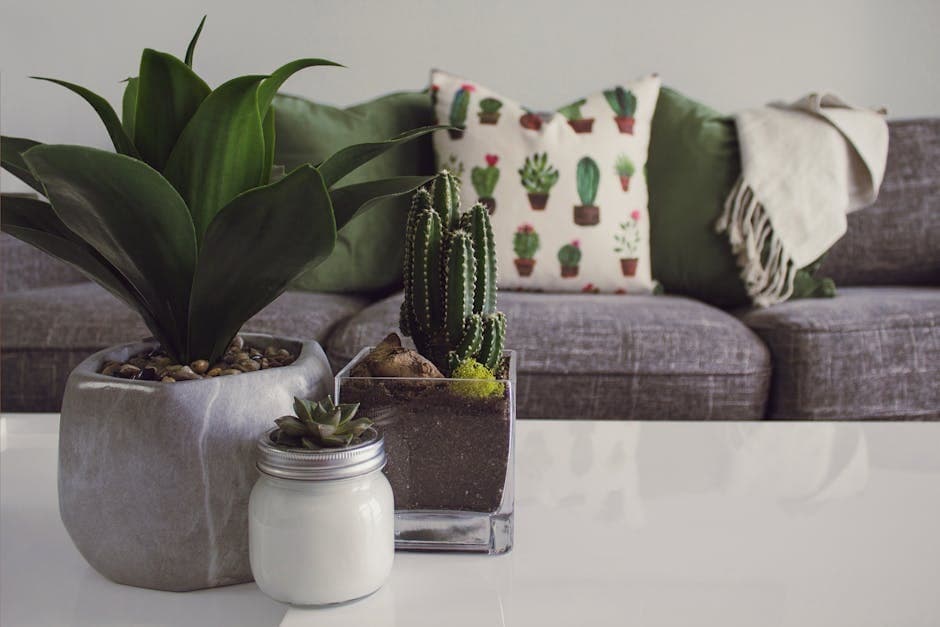
- Spending time in nature or incorporating natural elements (e.g., house plants) into a specific space
- Designating specific areas for relaxation and work
- Using visual forms of support (e.g., notes of affirmations) to promote healing
- Utilizing scent and sound therapies
Everyone has items and ways of organizing their space that feel comforting. Bright Mission Recovery encourages clients to reclaim their living space and other environments, adjusting them to reduce anxiety and stress during treatment. Aftercare planning also involves discussing ways to change a home environment to better support ongoing sobriety.
What Does It Mean to Build a Safe Physical Environment?
Building a safe physical environment at home or in other spaces may involve doing the following:
- Designing sensory-friendly areas
- Decluttering and using practical organization methods
- Optimizing natural lighting
- Using white noise machines to eliminate noise pollution
- Creating movement-friendly spaces
- Setting up easily accessible personalized comfort items
A safe physical space feels relaxing or neutral. Many people create different spaces throughout their homes to accommodate various needs. For example, they may have a “safe zone” set up in a corner of their room with comfort items or a workout room where they can use physical activity to reduce stress.
How Does Bright Mission Recovery Help Clients Develop a Physical Environment That Supports Healing?
Clients have different needs and preferences regarding the environments they find most relaxing. The care team at Bright Mission Recovery helps clients and their loved ones create a physical environment that supports healing by doing the following:
- Providing a structured and supportive setting
- Encouraging personal responsibility through daily tasks
- Ensuring a drug-free environment
- Incorporating comfortable furniture and other furnishings
- Maintaining a clean and orderly facility
- Implementing calming color schemes
The welcoming environment and serene setting at Bright Mission Recovery model healthy spaces. Clients discover what they find most comforting by exploring the treatment center’s various amenities and physical spaces.
Aftercare Planning and Family Education
Bright Mission Recovery uses comprehensive aftercare planning and alumni services to support clients transitioning into continuing care. Family members often play an essential role in ensuring individuals in rehabilitation have a nurturing and safe space to return to after completing treatment. Bright Mission Recovery educates families on the importance of providing clients with a healthy living space where they feel comfortable and secure. The care team offers guidance and resources to families, ensuring they have the tools to help their loved ones succeed at maintaining long-term sobriety.
Where people live and work impacts how they think about themselves and others. During rehabilitation, the spaces people spend all their time in hold special meaning and affect their overall health. Changing physical environments to support self-care and healing can improve treatment for SUD. Clients benefit from working with their care team to change their home or temporary living situation to create a more comfortable environment. Bright Mission Recovery uses therapy and psychoeducation to help clients and their loved ones build healthier lifestyles and home environments. Introducing structure and organization into daily spaces helps reduce stress and improve treatment outcomes. To learn more about our programs and how we help, contact our office today at (747) 444-3284.