
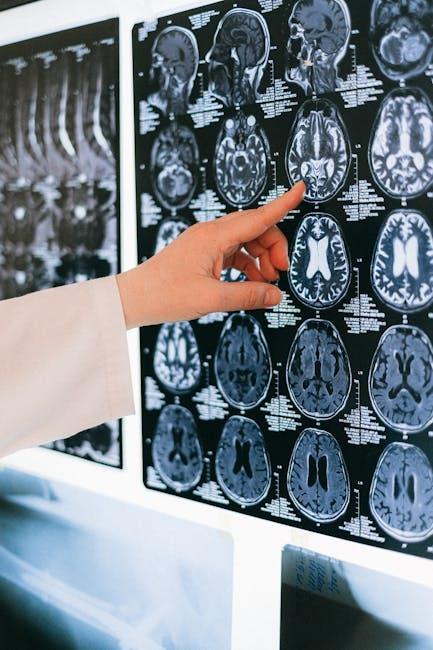
Damage to the brain causes significant emotional, cognitive, and behavioral issues. Individuals with substance use disorder (SUD) have a higher risk of experiencing a traumatic brain injury (TBI) or other conditions affecting the function and structure of the brain. According to Addiction Science and Clinical Practice, “The brain regions and neural processes that underlie addiction overlap extensively with those that support cognitive functions, including learning, memory, and reasoning.” The brain’s natural neuroplasticity helps people repair the damage caused by chronic substance abuse. Bright Mission Recovery uses cognitive restructuring and other therapeutic techniques to promote healing and support neuroplasticity.
What Is Neuroplasticity?
Neuroplasticity is the brain’s ability to adapt to changes. According to clinical research, neuroplasticity “is defined as the ability of the nervous system to change its activity in response to intrinsic or extrinsic stimuli by reorganizing its structure, functions, or connections after injuries, such as a stroke or traumatic brain injury.” Plasticity in the brain allows people to regain functionality after experiencing an illness or injury affecting the brain.
How Can Chronic Substance Abuse Damage the Brain?
Alcohol and drugs have a direct effect on various brain functions. Chronic substance abuse may cause long-term or permanent changes to the structure of the brain, affecting memory and other vital functions. Treatment programs use psychotherapy, experiential therapy, neurofeedback, and other therapeutic modalities to help clients heal from the effects of alcohol or drug addiction.
SUD may affect brain function due to the following:
- Neurotransmitter imbalances
- Shrinkage of gray matter or other structural changes to the brain
- Damage to white matter disrupting communication within the brain
- Loss of brain cells due to hypoxia and oxygen deprivation
- Inflammation and neurotoxicity
- Altered stress responses
Individuals with neurological or cognitive issues caused by substance abuse have a higher risk of relapse during treatment and aftercare. The personalized care plans at Bright Mission Recovery consider these factors and ensure that clients have the support they need to successfully manage their condition.
How Does Neuroplasticity Help People Heal?
Many people with SUD have co-occurring health issues and underlying problems affecting their ability to actively engage in treatment. Addressing these issues improves the effectiveness of therapy and promotes neuroplasticity.
The brain is an amazing organ, and it can rewire specific processes, allowing the mind and body to continue healing even after profound changes. Neuroplasticity helps people heal from the effects of substance abuse by doing the following:
- Rewiring the brain’s reward system
- Restoring healthy dopamine function over time
- Strengthening impulse control
- Rebuilding cognitive function, including improving memory and focus
- Reducing cravings through new associations
- Enhancing resilience to stress
- Supporting the creation of new healthy habits
Peer support, therapy, and prescription medications give clients the support they need to rebuild cognitive function and healthy routines during rehabilitation and aftercare.
Does Neuroplasticity Help Clients Manage SUD More Effectively?
SUD can affect all areas of a person’s life, and managing the symptoms often requires significant lifestyle changes. Neuroplasticity may help some individuals establish healthier routines and habits by doing the following:
- Weakening the connection between triggers and substance abuse
- Strengthening connections between goal-setting and reward systems in the brain
- Training the brain to respond to stress with mindfulness or other healthy coping mechanisms
- Strengthening neural circuits associated with trust, empathy, and compassion
Neuroplasticity allows people to develop essential skills for lasting sobriety. The brain works alongside conscious changes to improve people’s quality of life and reduce their risk of relapse.
The Benefits of Neuroplasticity Help Clients During Treatment at Bright Mission Recovery
Bright Mission Recovery educates clients on the physical and cognitive aspects of addiction, including neuroplasticity, to ensure they make informed decisions about their care. Clients learn the importance of building new skills and behaviors to replace ingrained patterns and unhealthy coping mechanisms.
Some of the primary benefits of neuroplasticity include the following:
- Enhanced learning and memory
- Faster recovery from TBI and other brain damage
- Boosted cognitive flexibility and adaptability
- Reduced impact of aging on the brain
- Increased resilience to daily stressors
- Improved mental and physical health
Clients learn to use experiential therapy and other techniques to improve neuroplasticity and mental health.
Long-Term Care and Neuroplasticity
Neuroplasticity takes time to heal damage caused by substance abuse, and people may not notice significant changes until months after abstaining from alcohol or drugs. Professional addiction and mental health treatment can speed up the process. However, it still takes time and commitment to change for the brain to successfully rewire various responses.
Bright Mission Recovery offers aftercare planning and referrals to outside resources to ensure clients continue healing and making progress after transitioning out of rehabilitation programs. The clinical team provides alumni support and other services to ensure clients feel confident in maintaining long-term sobriety and mental health. Over time, the brain and other body systems will recover and allow people to regain lost functionality.
Individuals who chronically abuse alcohol or drugs may experience a range of physical and cognitive side effects. Treating addiction involves providing education and context for the neurological changes caused by substance abuse. Clients often report better outcomes when they have a clearer understanding of their condition and how it has affected their lives. Identifying the connections between symptoms and behaviors reduces the risk of relapse and improves the effectiveness of treatment. Bright Mission Recovery encourages clients to learn about the physical effects of substance abuse and how the brain works to heal. To learn more about our programs and the therapeutic modalities we offer, call our office today at (747) 444-3284.