

TL;DR
Chest pain after drinking alcohol signals issues ranging from acid reflux to serious cardiovascular concerns like alcoholic cardiomyopathy. If you’re experiencing chest pain after drinking, persistent or severe symptoms warrant immediate medical attention. Professional treatment addresses both health complications and underlying alcohol dependency causing chest pain after drinking.
Introduction
That frightening squeeze across your chest after a night of drinking isn’t something to ignore. Consequently, chest pain after drinking has become one of the most searched health concerns, and your body might be sending an urgent message.
The Meaning Of Chest Pain After Drinking Alcohol
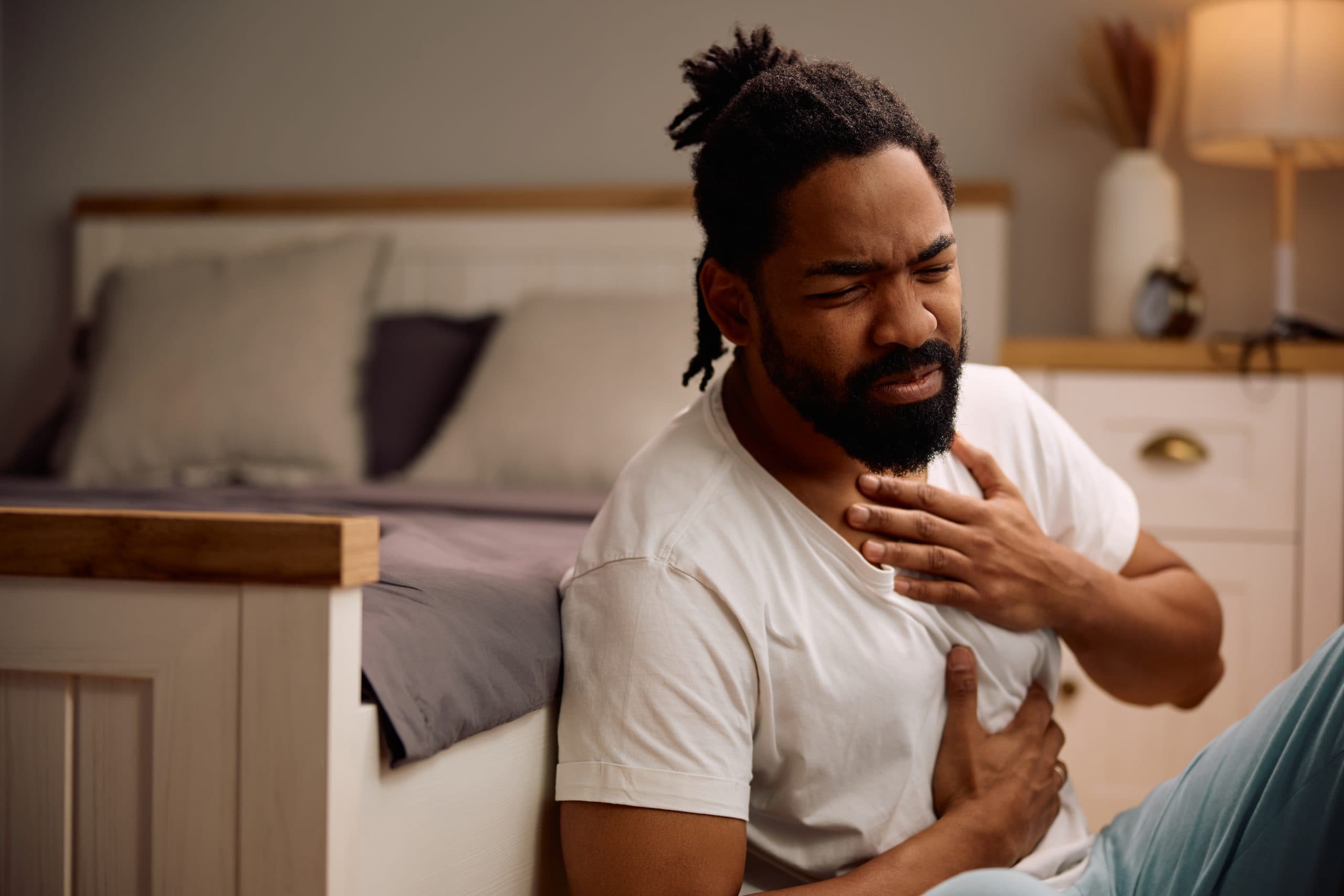
Chest pain after drinking refers to any discomfort, pressure, or tightness in the chest area during or following alcohol consumption. Some describe stabbing pain in chest after drinking alcohol, while others experience dull aches or chest tightness after drinking alcohol.
Sensations range from mild discomfort to severe pain radiating to your shoulders, arms, or jaw. Symptoms often arrive with shortness of breath after drinking alcohol, rapid heartbeat, or sensations making you wonder if your heart hurts after drinking.

Understanding your symptoms is crucial for addressing the cause. Chest pain after drinking isn’t a single condition—it’s a symptom indicating various medical issues.
Why Does Drinking Alcohol Cause Chest Pain?
Understanding why you experience chest pain after drinking involves recognizing multiple physiological mechanisms. Alcohol acts as a direct gastrointestinal irritant, increasing stomach acid production and triggering acid reflux or heartburn—conditions that masquerade as cardiac-related chest pain after drinking.
Furthermore, alcohol causes blood vessel dilation, lowering blood pressure and forcing your heart to work harder. As a result, some experience chest tightness as their cardiovascular system compensates for these changes, leading to chest pain after drinking episodes.
Dehydration represents another factor behind chest pain after drinking. Alcohol functions as a diuretic, accelerating fluid loss and affecting blood volume and electrolyte balance. According to the National Institute on Alcohol Abuse and Alcoholism, alcohol affects nearly every organ system. Additionally, it interferes with nutrient absorption like magnesium and potassium—minerals critical for heart function.
How Does Drinking Alcohol Affect The Heart?
Your heart bears a heavy burden when processing alcohol’s effects. Initially, alcohol slows your heart rate, but as your body metabolizes it, you experience elevated heart rate and blood pressure—noticeable during hangover chest pain episodes.
Research from the American Heart Association shows even moderate consumption can trigger cardiac arrhythmias. These create sensations from fluttering to pounding. “Holiday heart syndrome” describes acute rhythm disturbances following binge drinking.
Chronic consumption causes alcoholic cardiomyopathy, which weakens and enlarges the heart muscle. Individuals experience chest pain, shortness of breath, and fatigue that worsens with continued drinking.
The NIAAA emphasizes alcohol’s cardiovascular effects extend beyond immediate symptoms, potentially causing hypertension, stroke, and coronary artery disease.
What Underlying Issues Can Chest Pain After Drinking Indicate?
When experiencing chest pain after drinking, your body signals several underlying health concerns. Gastroesophageal reflux disease (GERD) is most common. Alcohol relaxes the lower esophageal sphincter, allowing stomach acid to flow backward.
Pancreatitis develops in heavy drinkers and causes severe chest pain after drinking episodes. Similarly, esophagitis and gastritis produce chest discomfort intensifying with alcohol. These require medical attention and abstinence to heal.
More seriously, chest pain after drinking can indicate angina, cardiomyopathy, or coronary artery disease. Additionally, alcohol intolerance triggers chest tightness and breathing difficulty. According to Better Health Victoria, alcohol affects every body system.
Can Chest Pain After Drinking Alcohol Be Caused By A Heart Attack?
The answer is yes, though not directly. While chest pain after drinking doesn’t cause a heart attack, alcohol can trigger cardiac events in those with underlying heart disease.
Alcohol’s effects on blood pressure, heart rate, and blood clotting can precipitate emergencies. Furthermore, dehydration and electrolyte imbalances create conditions for dangerous arrhythmias. Binge drinking significantly increases cardiac event risk.
Most chest pain after drinking stems from non-cardiac causes. Nevertheless, certain signs demand immediate attention: chest pain with shortness of breath, pain radiating to your arm or jaw, cold sweats, nausea, or lightheadedness. Call 911 immediately.

MedlinePlus emphasizes seeking immediate care for severe or persistent chest pain. Don’t dismiss potentially serious symptoms.
What To Do If You Have Chest Pain After Drinking Alcohol
Stop drinking immediately. Evaluate pain severity. If experiencing severe pain, difficulty breathing, or pain radiating to your arms or jaw, call 911.
For less severe symptoms, sit upright or lie with your head elevated to help alleviate acid reflux. Drink water slowly to address dehydration. Avoid spicy or fatty foods.
If pain persists beyond hours, worsens, or recurs frequently, schedule a healthcare appointment for diagnostic tests.
How To Get Rid Of Chest Pain After Drinking Alcohol
Addressing chest pain after drinking involves immediate relief and prevention. Antacids neutralize stomach acid from acid reflux. Over-the-counter medications like famotidine reduce acid production—consult a physician first.
Cold compresses alleviate muscle pain. Additionally, deep breathing helps regulate heart rate and promotes relaxation.
For tight chest after drinking alcohol remedies, staying hydrated is most effective. Electrolyte-rich beverages restore balance. Avoid caffeinated drinks that exacerbate dehydration.

The SAMHSA offers resources for understanding alcohol’s impacts. Persistent chest pain after drinking signals the need for professional evaluation.
How Alcohol Addiction Treatment Can Help With Chest Pain
Recurrent chest pain after drinking might indicate alcohol use disorder—inability to control consumption despite negative consequences. Professional treatment addresses both health concerns and underlying addiction causing chest pain after drinking.
Specialized centers conduct comprehensive health assessments to identify alcohol-related organ damage contributing to chest pain after drinking. Detoxification programs provide medically supervised withdrawal while your body eliminates alcohol and heals.
Behavioral therapies address psychological factors behind chest pain after drinking patterns and develop healthier coping mechanisms. Programs incorporate holistic approaches including nutrition counseling and stress management supporting cardiovascular health.
Medication-assisted treatment with naltrexone or acamprosate reduces cravings. Combined with counseling, these significantly increase your chances of eliminating chest pain after drinking through lasting sobriety.
Find Alcohol Abuse Treatment With Bright Mission Recovery
At Bright Mission Recovery, we understand chest pain after drinking represents more than discomfort—it signals alcohol is compromising your health. Our comprehensive treatment addresses both medical concerns and underlying addiction, providing tools and support for lasting recovery.
Our evidence-based programs combine medical detoxification, therapy, holistic wellness activities, and aftercare planning tailored to your needs. Our clinical team specializes in treating co-occurring medical conditions, ensuring cardiac problems receive appropriate attention alongside addiction treatment.
Taking the first step requires courage. Our admission process is straightforward and supportive. Verify your coverage quickly and confidentially to understand your benefits and begin your recovery path.

Your discomfort doesn’t have to define your future. With professional treatment, you can address medical consequences while building a foundation for long-term sobriety. Contact us today to speak with our admissions team and discover how we can help you reclaim your health and peace of mind.
Frequently Asked Questions
Chest pain when drinking alcohol typically results from acid reflux, as alcohol increases stomach acid production and relaxes the esophageal sphincter. Additionally, alcohol causes blood vessel dilation and altered heart rate, creating sensations of tightness. Dehydration and electrolyte imbalances also contribute to chest discomfort.
Yes, hangover chest pain is common due to lingering inflammation, continued dehydration, and your body’s stress response during alcohol metabolism. The rebound effect on your cardiovascular system—elevated heart rate and blood pressure as alcohol leaves your system—can create chest tightness persisting into the following day.
Alcohol intolerance or allergies can cause chest tightness and shortness of breath, though true alcohol allergies are rare. Many people experience histamine reactions to compounds in alcoholic beverages. If you consistently experience chest pain or difficulty breathing when drinking, consult an allergist.
Duration varies by underlying cause. Acid reflux-related pain typically subsides within hours, especially with treatment. However, cardiac-related symptoms or inflammation may persist 12-24 hours or longer. If chest pain lasts more than a few hours or is severe, seek immediate medical attention.
Seek emergency care immediately if chest pain is severe, accompanied by shortness of breath, radiates to your arms or jaw, or occurs with sweating and nausea. Schedule a doctor’s appointment if you experience recurrent chest pain after drinking, symptoms persisting beyond 24 hours, or worsening chest discomfort.
Sources
[1] National Institute on Alcohol Abuse and Alcoholism. Alcohol’s Effects on Health: Alcohol’s Effects on the Body. – https://www.niaaa.nih.gov/alcohols-effects-health/alcohols-effects-body
[2] Cleveland Clinic. (2024). Alcoholic Cardiomyopathy. – https://my.clevelandclinic.org/health/diseases/21994-alcoholic-cardiomyopathy
[3] American Heart Association. (2024). Alcohol and Heart Health Scientific Statement. Circulation. – https://www.ahajournals.org/doi/10.1161/CIR.0000000000001341
[4] National Institute on Alcohol Abuse and Alcoholism. (2022). American Heart Month: Another Opportunity to Examine Your Relationship with Alcohol. NIAAA Spectrum, 14(1). – https://www.niaaa.nih.gov/news-events/spectrum/volume-14-issue-1-winter-2022/american-heart-month-another-opportunity-examine-your-relationship-with-alcohol
[5] Better Health Channel, Victoria State Government. How Alcohol Affects Your Body. – https://www.betterhealth.vic.gov.au/health/healthyliving/how-alcohol-affects-your-body
[6] MedlinePlus, U.S. National Library of Medicine. Alcohol. – https://medlineplus.gov/alcohol.html
[7] Substance Abuse and Mental Health Services Administration. Alcohol Use Disorder. – https://www.samhsa.gov/substance-use/learn/alcohol